7 Inspiring Brand Story Ideas to Elevate Your Business in 2026

A powerful brand story can transform an ordinary business into a household name, capturing hearts and driving growth as we move into 2026. In an era where consumers crave meaning and connection, a compelling brand story bridges the gap between product and person, setting brands apart in a crowded digital landscape.
This article explores seven inspiring brand story ideas designed to help businesses stand out, foster loyalty, and elevate their impact. Discover how storytelling can become your most valuable asset, with actionable examples and proven strategies to spark your next big breakthrough.
The Importance of Brand Storytelling in 2026
In 2026, the brand story stands as a cornerstone of business success. As digital platforms and consumer habits evolve, brands must adapt their storytelling to remain relevant and memorable. A compelling brand story not only captures attention, but also builds lasting connections and fosters loyalty. Let us explore why mastering your brand story is essential in the changing landscape.

The Evolving Role of Storytelling in Modern Branding
The digital revolution has fundamentally changed the way brands communicate. Audiences now expect more than just product features; they seek a brand story that resonates emotionally and feels authentic. The shift from product-centric advertising to story-driven marketing is profound.
Social media and real-time interactions have amplified the reach and speed of brand stories. According to Brand storytelling increases audience retention by up to 22x, stories can dramatically improve how audiences remember and engage with brands. Campaigns like the John Lewis Christmas adverts have become cultural touchstones, proving that a powerful brand story can foster community and advocacy.
Authenticity remains the key. Brands that share true, relatable stories earn trust and loyalty in increasingly crowded markets.
Key Elements of an Effective Brand Story
A successful brand story is built on a strong foundation. It must clearly convey the brand’s mission, values, history, and purpose. Consistency across all touchpoints ensures that the message remains recognisable and trustworthy.
Relatable characters and a clear narrative arc – including challenge, climax, and resolution – help audiences see themselves in the story. Truthfulness and transparency are non-negotiable, as they shape public perception and reinforce brand reputation.
For example, Gymshark’s founder-led brand story and active community engagement demonstrate how authenticity drives growth. According to Adobe, brands maintaining a consistent brand story see 23 percent higher revenue. Always remember, the consumer is the true hero of the brand story.
Why Businesses Must Prioritise Storytelling in 2026
Consumer behaviour is shifting rapidly. Today’s audiences, especially Gen Z and Millennials, are seeking meaning and connection from every brand story. Purpose-driven purchases are becoming the norm, and standing out in a saturated digital market is more challenging than ever.
Memorable campaigns, like Compare the Market’s meerkat series, illustrate how a well-crafted brand story can cut through noise. Research shows that 55 percent of consumers are more likely to buy from brands with authentic stories. This demonstrates that a compelling brand story not only drives acquisition but also supports long-term retention.
Businesses that prioritise storytelling are more agile, adapting swiftly to market changes and evolving consumer needs.
Common Pitfalls and How to Avoid Them
Brands often stumble by crafting a brand story that feels inauthentic or inconsistent. Overcomplicating narratives, lacking emotional depth, or ignoring customer feedback can lead to disconnect and distrust.
Some stories fall flat because they fail to reflect current cultural trends or the lived experiences of the target audience. To avoid these pitfalls, brands should conduct thorough audience research, refine their brand story iteratively, and maintain open feedback loops.
Alignment between the brand story and actual brand actions is crucial. With 42 percent of consumers distrusting brands that send mixed messages, honesty and continual innovation are essential to sustaining trust and relevance.
7 Inspiring Brand Story Ideas to Elevate Your Business in 2026
Unlocking the full potential of your brand story is essential for businesses seeking to stand out in 2026. With audience attention increasingly fragmented, only brands with compelling narratives will capture hearts and drive growth.
Below, discover seven inspiring brand story ideas proven to elevate business presence, foster loyalty, and future-proof your reputation.
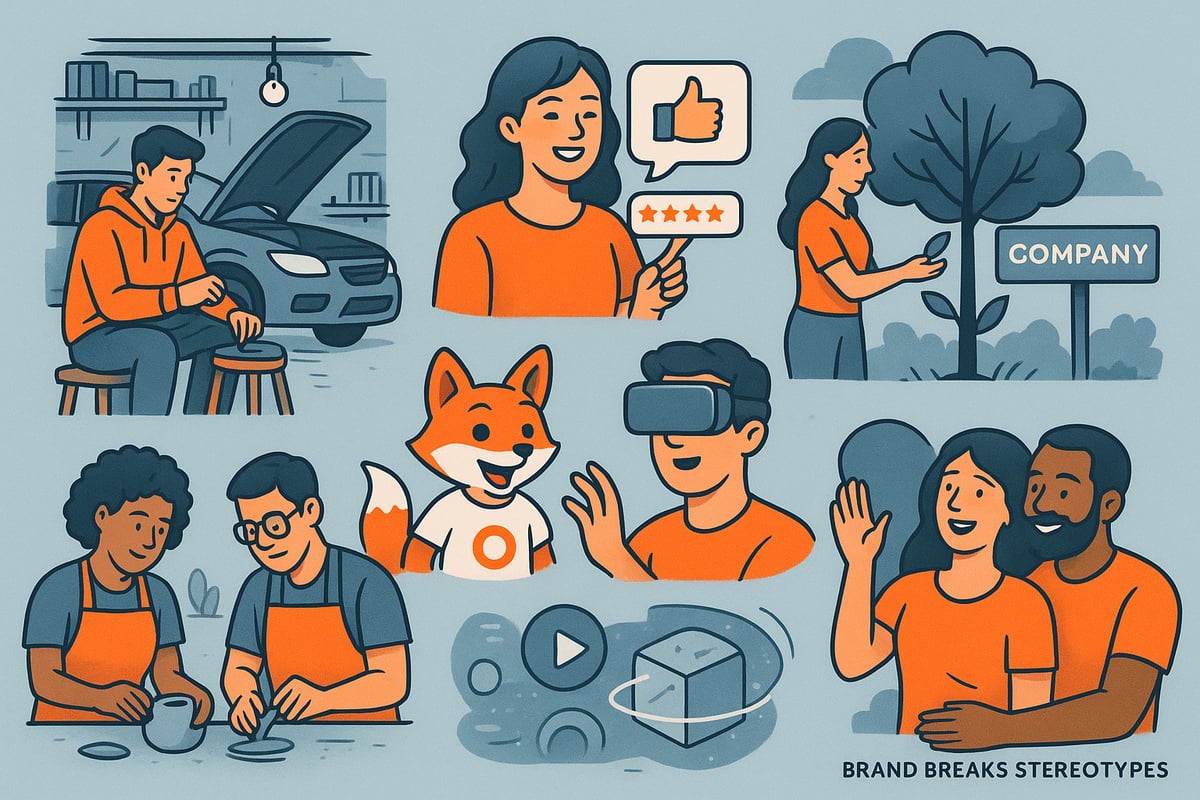
1. The Founder’s Journey: Building Trust Through Authenticity
A powerful brand story often begins with the founder’s journey. Sharing the real struggles, motivations, and vision behind your business humanises your brand and builds trust.
Audiences crave transparency. When you openly discuss challenges faced and lessons learned, your brand story becomes relatable rather than distant. For example, Ben Francis transformed Gymshark from a humble garage startup into a global fitness powerhouse. By highlighting his personal setbacks and triumphs, the brand story resonates with both aspiring entrepreneurs and loyal customers.
Key benefits of the founder’s journey brand story include emotional loyalty and clear differentiation from faceless competitors. For startups, SMEs, and personal brands, this approach fosters a strong bond with the audience.
Pros and Cons Table:
| Pros | Cons |
|---|---|
| High authenticity | Requires vulnerability |
| Strong emotional connection | May not scale easily |
Consumers increasingly choose brands whose stories feel genuine. By positioning your founder’s journey at the heart of your brand story, you invite your audience to share in your mission and values, setting the stage for lasting engagement.
2. Customer-Centric Narratives: Making the Audience the Hero
Turning your customers into the heroes of your brand story is a proven way to build credibility. Instead of focusing solely on your products, shine a spotlight on real customer experiences and testimonials.
Warby Parker’s campaigns are a great example, featuring authentic stories from customers and weaving them into the brand story. User-generated content and community engagement create a sense of belonging, making your audience feel seen and valued.
Benefits of this approach include increased trust, strong word-of-mouth marketing, and a scalable model for continuous storytelling. Service providers, ecommerce platforms, and B2C brands can all benefit from this brand story strategy.
- Builds social proof
- Encourages loyalty
- Drives organic reach
Managing an engaged community is essential to keep the brand story fresh and relevant. For more real-world inspiration, explore Client success stories and case studies that show how businesses have leveraged brand story for growth.
3. Purpose-Driven Storytelling: Championing Social or Environmental Causes
Aligning your brand story with a meaningful cause can transform how audiences perceive your business. Purpose-driven stories tap into the values of today’s consumers, who are increasingly motivated by social and environmental responsibility.
Burberry’s campaigns, for example, have highlighted sustainability and inclusivity, making these themes integral to the brand story. However, authenticity is crucial. Customers can spot performative activism, so your commitment to a cause must be genuine and reflected in your actions.
A purpose-driven brand story attracts values-aligned customers, enhances reputation, and encourages long-term loyalty. Brands with strong CSR initiatives or social missions find this approach especially impactful.
Key Points:
- Enhances emotional connection
- Differentiates from competitors
- Attracts conscious consumers
A clear, honest brand story about your purpose will resonate deeply, especially when backed up by transparent reporting and real impact.
4. Humour and Character-Driven Campaigns: Creating Memorable Brand Icons
Humour is a powerful tool in any brand story, making your business memorable and relatable. Unique characters, mascots, and recurring themes can transform a brand story into a pop culture phenomenon.
Compare the Market’s Aleksandr the Meerkat is a prime example. This character-driven brand story has become a beloved part of UK advertising, increasing brand recall and cultural relevance.
By using humour in your brand story, you boost shareability and engagement. However, it is important to ensure that the tone and characters align with your broader brand identity to avoid confusion.
Advantages:
- Rapid awareness
- Viral potential
- High engagement
Potential Pitfalls:
- Risk of misalignment with brand values
- Requires consistent creative direction
A well-crafted, humorous brand story can break through the noise and establish an enduring connection with your audience.
5. Immersive Digital Experiences: Leveraging Technology for Interactive Stories
Technology has revolutionised the way brand story is told. Immersive experiences using AR, VR, and interactive platforms allow brands to engage audiences in new, dynamic ways.
Burberry’s collaboration with Minecraft, for instance, brought the brand story into the metaverse, creating an interactive world that deepened audience engagement. Integrating your brand story into apps, games, or digital events enables users to participate actively rather than passively consume content.
Benefits:
- Differentiation in crowded markets
- Higher audience interaction
- Future-proof storytelling
Tech-forward brands, fashion, entertainment, and youth-focused companies can use immersive digital brand story experiences to capture imagination and foster loyalty.
While development costs may be higher, the payoff is a unique, memorable brand story that sets you apart from competitors.
6. Quality and Craftsmanship: Showcasing the Making-of Journey
Behind-the-scenes content and process transparency are increasingly valued in a brand story. Showcasing quality and craftsmanship not only justifies premium pricing but also strengthens your credibility.
Marks & Spencer’s “This is Not Just Food” campaign exemplifies this approach. By focusing on the origins, processes, and care behind each product, the brand story appeals to discerning consumers seeking authenticity.
Why this works:
- Appeals to pride of ownership
- Fosters brand appreciation
- Highlights unique selling points
This brand story is ideal for luxury, artisanal, and heritage brands. However, it may be less effective for commoditised products where differentiation is harder to establish.
A detailed, transparent brand story around craftsmanship can elevate perceived value and nurture a deeper connection with your audience.
7. Breaking Stereotypes: Challenging Norms for Modern Relevance
Challenging industry conventions through your brand story can generate significant buzz and position your business as a cultural leader. By addressing social issues and shifting narratives, brands can stay relevant and resonate with younger, progressive audiences.
Pampers’ “Stinky Booty 2.0” campaign is a notable example. By featuring dads in diaper adverts, Pampers disrupted traditional gender roles and refreshed its brand story for the modern era.
Benefits:
- Media attention
- Standout positioning
- Cultural leadership
Risks:
- Potential controversy if not handled thoughtfully
Brands in traditional or rapidly evolving sectors can use a bold brand story to break stereotypes, spark conversations, and build a forward-thinking reputation.
In summary, each of these seven brand story ideas provides a strategic route to elevate your business in 2026. Whether you focus on authenticity, community, purpose, humour, technology, craftsmanship, or cultural relevance, a well-crafted brand story will help you connect, differentiate, and thrive.
How to Craft Your Own Inspiring Brand Story in 2026
Crafting a powerful brand story in 2026 requires more than creative flair. It demands a deep understanding of your audience, a clear sense of purpose, and a strategic approach to sharing your message across multiple channels. Let’s break down the essential steps for building a brand story that stands out and resonates.

Step 1: Define Your Audience and Their Aspirations
The foundation of every compelling brand story is a deep understanding of who you are speaking to. Start by researching your target audience. What motivates them? What are their values, dreams, and daily struggles?
Use empathy mapping to see the world through their eyes. Surveys, interviews, and social listening can uncover hidden insights. When you align your brand story with their aspirations, you build a genuine connection. In fact, 55% of consumers are more likely to buy from brands with authentic stories, highlighting the power of relevance and truth.
Brands that personalise their stories see double the engagement, making audience research a crucial first step.
Step 2: Clarify Your Brand’s Purpose and Core Message
Your brand story should reflect your mission, values, and what sets you apart. Distil your core message into a single, memorable idea that guides every narrative you share.
Think about what your business stands for and how you want to be perceived. Align your message with both your goals and your audience’s expectations. For inspiration, explore creative brand identity strategies, which illustrate how clarity and consistency can distinguish your brand in a crowded market.
A focused brand story not only strengthens recall but also fosters trust and coherence across all touchpoints.
Step 3: Choose the Right Storytelling Format and Channels
Selecting the best format for your brand story is vital. Should you use video, podcasts, blogs, or immersive digital experiences? Consider where your audience spends time and which formats they prefer.
Tailor your story for each platform to maximise impact. For example, short-form video works well on social media, while in-depth articles or podcasts suit audiences seeking more detail. Consistency across channels ensures your brand story is recognisable and memorable.
Experiment with multiple formats to reach wider segments and reinforce your message wherever your audience engages.
Step 4: Iterate, Test, and Evolve Your Story
A brand story is never static. Gather feedback through surveys, comments, and analytics to understand what resonates best. Use A/B testing to refine your messaging and adapt to changing trends.
Monitor performance regularly and be willing to tweak your story as your audience evolves. Successful brands treat storytelling as an ongoing process, not a one-off campaign.
By staying flexible and responsive, your brand story will remain relevant, authentic, and impactful year after year.
Real-World Examples: Lessons from Successful Brand Stories
Learning from leading brands can offer invaluable insights for anyone looking to create a powerful brand story. By examining real-world cases, you can see how storytelling drives engagement, shapes perception, and delivers measurable business results. Let’s explore four standout examples and the lessons they offer for your brand story strategy.
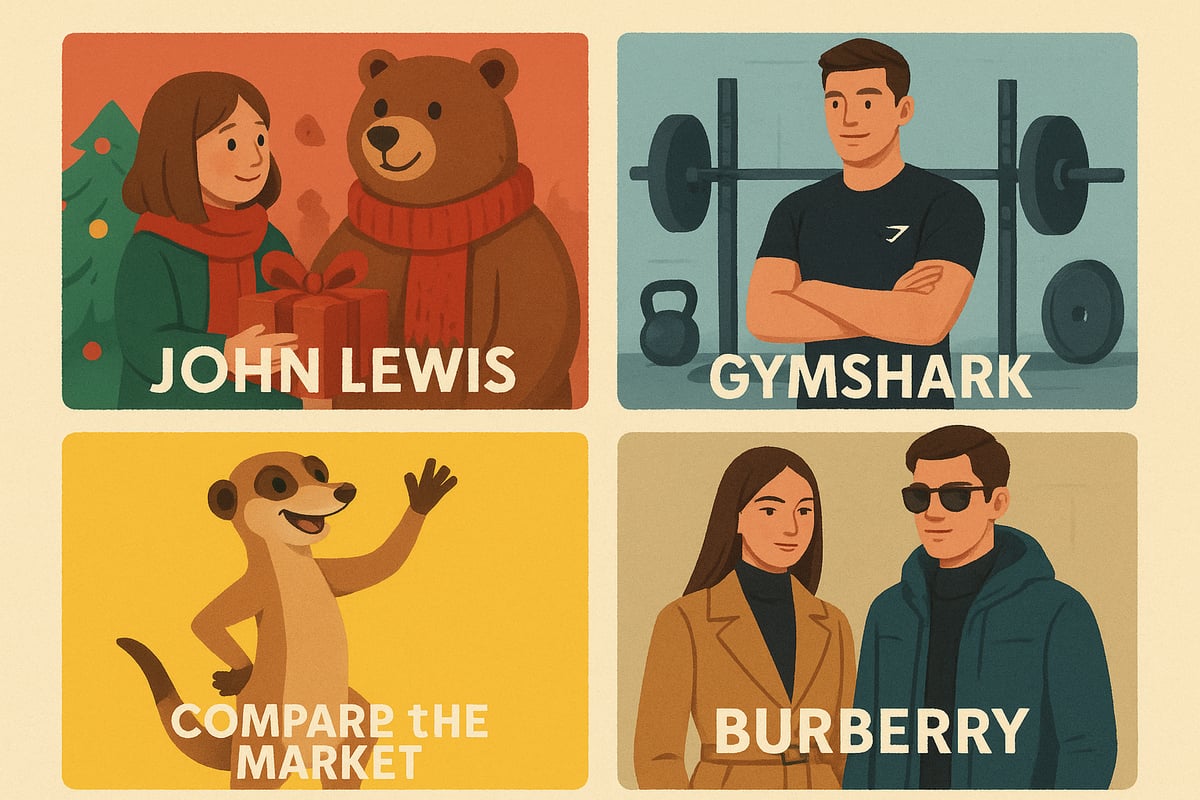
John Lewis: Emotional Storytelling as a Cultural Event
John Lewis has mastered the art of the brand story with its annual Christmas adverts. Each year, the retailer crafts emotionally charged narratives that tap into universal themes of love, hope, and togetherness. These adverts do more than sell products, they create shared cultural moments across the UK.
By using cinematic storytelling, memorable characters, and evocative music, John Lewis consistently boosts brand sentiment and sales. The anticipation around each campaign has turned the adverts into a festive tradition, strengthening loyalty and community engagement. This shows how a well-crafted brand story can become a key part of national culture.
Gymshark: Community-Driven Growth and Founder Visibility
Gymshark’s brand story centres on authenticity and community. Founder Ben Francis openly shares his journey from a garage startup to leading a global fitness brand, making the story relatable and inspiring. Gymshark’s use of influencer partnerships and user-generated content further amplifies this narrative.
By involving their audience in the brand story, Gymshark fosters a sense of belonging and loyalty. The brand’s rapid growth is a testament to the power of a transparent, founder-led story. When customers see themselves reflected in a brand story, they are more likely to become passionate advocates.
Compare the Market: Humour, Characters, and Long-Term Engagement
Compare the Market transformed its brand story by introducing Aleksandr the Meerkat, a quirky character who quickly became a UK advertising icon. This creative approach uses humour and storytelling to make price comparison memorable and engaging for consumers.
Through cross-channel campaigns and merchandise, the meerkat character has driven high brand recall and increased market share. This success highlights the importance of protecting unique brand assets, as discussed in Branding and trademarks insights. A distinctive brand story, supported by strong brand elements, builds lasting associations in the minds of customers.
Burberry: Blending Heritage with Digital Innovation
Burberry’s brand story expertly balances heritage and innovation. The company draws on its rich British history while embracing cutting-edge technology, such as metaverse collaborations and interactive campaigns. This approach keeps the brand relevant with younger, digitally savvy audiences.
By blending tradition with modern storytelling platforms, Burberry enhances its appeal and refreshes its image for new generations. The brand story here is not static, it evolves with cultural and technological trends. This adaptability is key for any brand aiming to remain influential in a changing market.
As you’ve seen, powerful brand storytelling can set your business apart and build meaningful connections with your audience in 2026. Whether you’re refining your founder’s journey, building a community around your values, or embracing new digital experiences, having the right marketing strategy is key to bringing these stories to life. If you’re ready to elevate your business with creative, results-driven campaigns, let’s work together to craft a brand story that truly resonates. Explore how we can help you stand out and grow—discover our tailored solutions here:
Marketing