Top Web Design Agencies London: 2026 Expert Guide

London's digital landscape continues to evolve at an extraordinary pace, with businesses across the capital recognising that exceptional web design is no longer optional but essential for competitive success. Finding the right partner amongst the top web design agencies London offers requires more than a cursory search; it demands careful consideration of expertise, portfolio strength, industry specialisation, and the ability to deliver results that genuinely transform your online presence. Whether you're a startup seeking to establish your digital footprint or an established enterprise ready to refresh your brand, understanding what distinguishes truly excellent agencies from merely competent ones will prove invaluable in your selection process.
What Defines Excellence in London's Web Design Industry
The capital's design sector has always been characterised by innovation and creativity, yet the bar continues to rise each year. Outstanding agencies combine technical proficiency with strategic thinking, ensuring that every pixel serves a purpose beyond aesthetics.
Strategic Vision Beyond Visual Appeal
The most accomplished agencies recognise that beautiful design without strategic foundation delivers limited value. They approach projects with a comprehensive understanding of user behaviour, conversion optimisation, and brand positioning. This means conducting thorough research before a single mockup is created, analysing competitors, identifying unique value propositions, and mapping user journeys that guide visitors towards desired actions.
Key strategic capabilities include:
- Comprehensive market and competitor analysis
- User experience research and persona development
- Conversion rate optimisation expertise
- Integration of SEO principles from the design phase
- Performance tracking and continuous improvement frameworks
The creative strategy agencies landscape in London demonstrates this holistic approach, where design decisions stem from business objectives rather than purely aesthetic preferences.
Core Services Offered by Leading Agencies
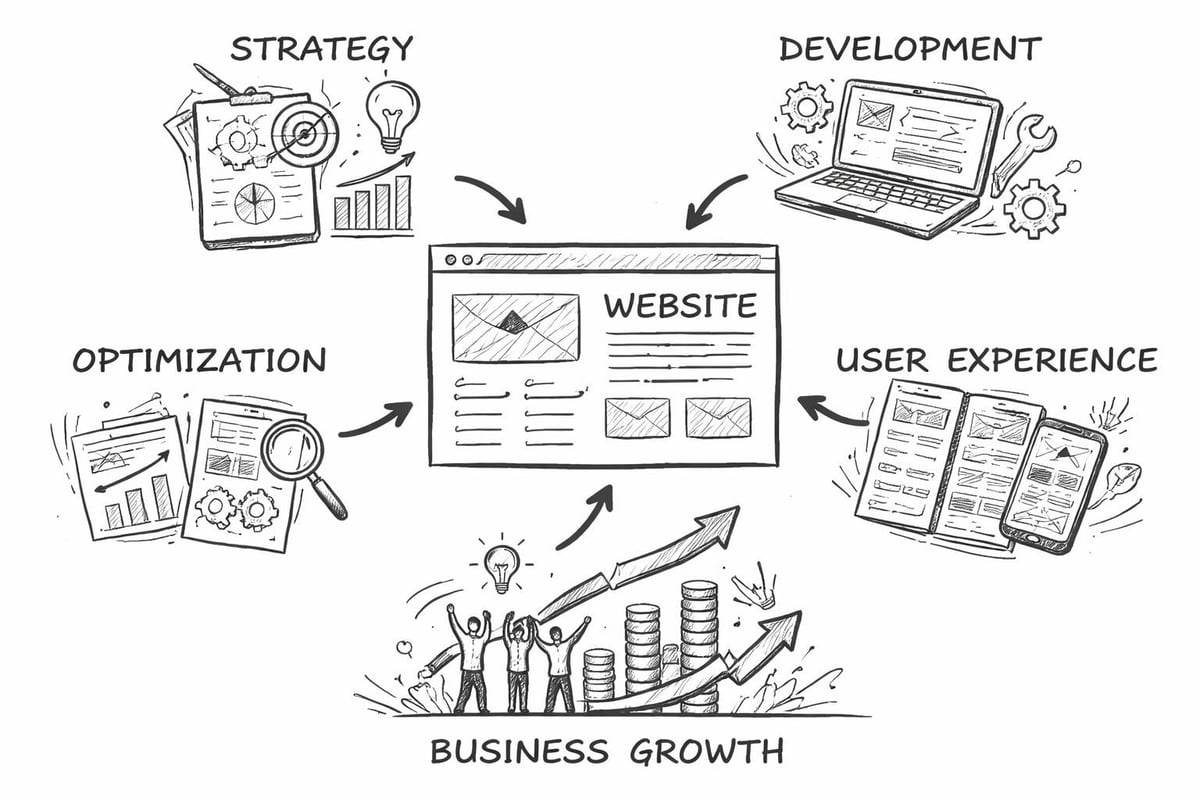
Top web design agencies London provides extend far beyond creating attractive websites. Their service portfolios typically encompass the full spectrum of digital requirements that modern businesses face.
| Service Category | Key Deliverables | Business Impact |
|---|---|---|
| Web Design & Development | Responsive websites, custom development, CMS integration | Enhanced user experience, improved conversion rates |
| UX/UI Design | User research, wireframing, prototyping, usability testing | Increased engagement, reduced bounce rates |
| E-commerce Solutions | Online shops, payment integration, inventory management | Revenue growth, streamlined operations |
| Brand Identity | Logo design, style guides, visual systems | Stronger market positioning, brand recognition |
| Digital Strategy | Market analysis, roadmaps, growth planning | Aligned digital initiatives, measurable ROI |
Technical Excellence and Innovation
The technical foundation of any website determines its long-term viability and performance. Premier agencies maintain cutting-edge expertise across frameworks, technologies, and platforms. They stay abreast of current web design trends, including anti-design movements, eco-friendly approaches, and interactive experiences that captivate users whilst maintaining exceptional performance.
Modern technical considerations include:
- Mobile-first responsive design that adapts seamlessly across devices
- Core Web Vitals optimisation ensuring fast loading times and smooth interactions
- Accessibility compliance meeting WCAG standards for inclusive experiences
- Security protocols protecting user data and maintaining trust
- Scalable architecture supporting future growth without complete rebuilds
Industry-Specific Expertise and Specialisations
Whilst many agencies position themselves as generalists, the top web design agencies London houses often develop deep expertise within specific sectors. This specialisation enables them to understand industry nuances, regulatory requirements, and audience expectations that generic approaches might miss.
Financial Services and Fintech
Agencies serving this sector must balance innovation with trust, creating experiences that feel modern yet secure. They navigate complex compliance requirements whilst maintaining user-friendly interfaces. Understanding FCA regulations, implementing robust security features, and communicating complex financial products clearly separates specialists from generalists.
Healthcare and Medical Practices
Healthcare design requires particular sensitivity to accessibility, patient privacy, and clear communication of complex information. Agencies specialising here understand NHS systems, GDPR implications for medical data, and the importance of building trust through design choices.
Retail and E-commerce
The e-commerce landscape demands agencies who understand conversion psychology, basket optimisation, and seamless checkout experiences. They integrate inventory management systems, implement sophisticated product filtering, and create compelling product presentations that drive sales.
Sector-specific considerations:
- Hospitality: Booking systems, visual storytelling, mobile optimisation
- Professional services: Thought leadership positioning, lead generation, credibility building
- Technology: Complex product explanation, developer documentation, SaaS interfaces
- Creative industries: Portfolio presentation, visual impact, unique brand expression
Evaluating Agency Portfolios and Case Studies
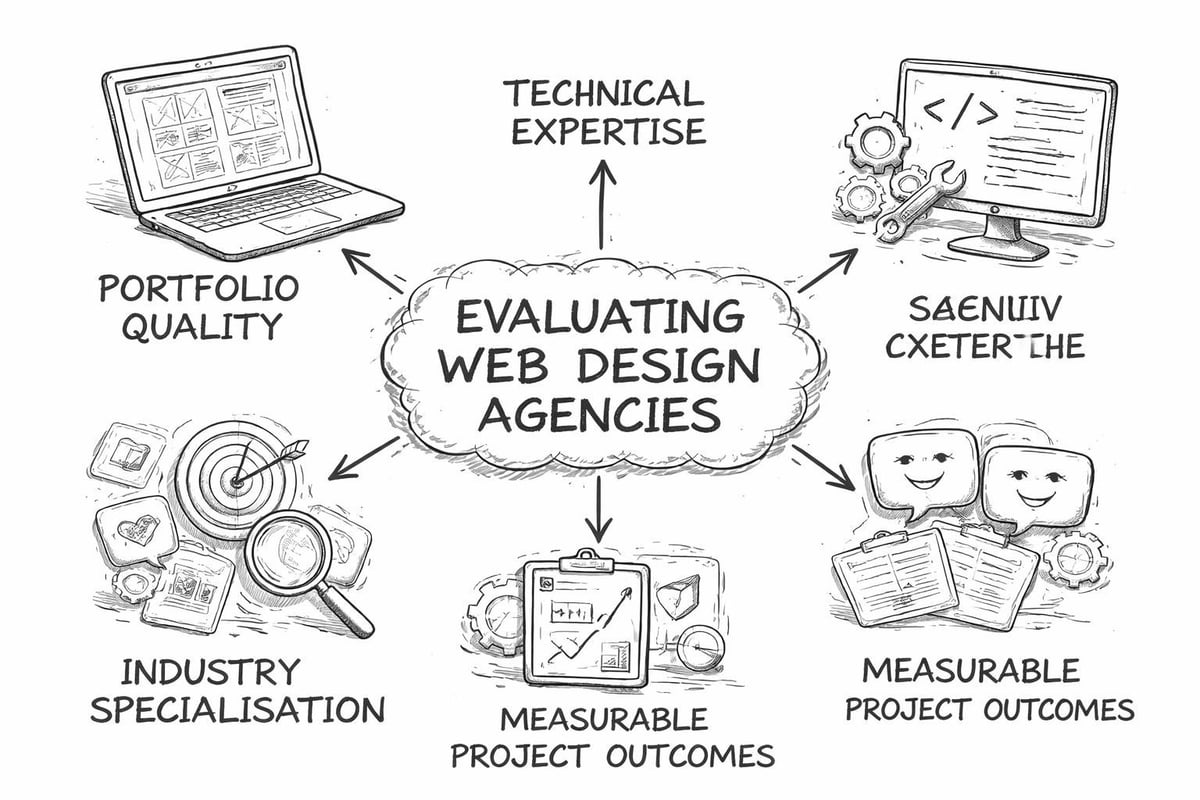
A portfolio reveals more than aesthetic preferences; it demonstrates problem-solving capabilities, technical range, and results delivery. When reviewing the top web design agencies London showcases, look beyond surface-level attractiveness to understand the thinking behind each project.
Critical Portfolio Assessment Questions
Exceptional case studies articulate the challenge faced, the strategic approach taken, and the measurable outcomes achieved. They provide context around client objectives, target audiences, and specific constraints that shaped the solution. Vague descriptions or purely visual presentations without business context should raise questions about an agency's strategic depth.
Ask yourself:
- Does the portfolio demonstrate versatility across different sectors and challenges?
- Are case studies supported by quantifiable results (traffic increases, conversion improvements, revenue growth)?
- Can you identify clear strategic thinking behind design decisions?
- Do the websites remain functional and current, or have they aged poorly?
- Is there evidence of long-term client relationships and ongoing work?
The Role of User Experience in Modern Web Design
User experience has evolved from a specialised concern to the central pillar of effective web design. The latest trends in London web design emphasise AI-driven personalisation, minimalist aesthetics, and sustainable design practices that put user needs first.
| UX Component | Implementation | User Benefit |
|---|---|---|
| Information Architecture | Clear navigation, logical content hierarchy | Easy information discovery |
| Interaction Design | Intuitive controls, micro-interactions, feedback | Satisfying, efficient task completion |
| Visual Design | Consistent styling, appropriate typography, colour psychology | Comfortable, engaging experience |
| Content Strategy | Scannable text, compelling copy, appropriate media | Quick comprehension, emotional connection |
| Performance | Fast loading, smooth animations, optimised assets | Frustration-free browsing |
Accessibility as Standard Practice
Leading agencies no longer treat accessibility as an afterthought or optional enhancement. They integrate inclusive design principles from project inception, ensuring websites serve all users regardless of ability. This includes keyboard navigation, screen reader compatibility, colour contrast ratios, and clear focus indicators.
The business case for accessibility extends beyond ethical considerations. Inclusive design expands your potential audience, improves SEO performance, demonstrates corporate responsibility, and reduces legal risk in an increasingly regulated environment.
Pricing Structures and Investment Considerations
Understanding how agencies price their services helps set realistic expectations and identify the best value for your specific requirements. The top web design agencies London offers employ various pricing models, each with distinct advantages depending on project scope and business needs.
Common Pricing Models
Fixed project pricing provides budget certainty, making it ideal for well-defined projects with clear deliverables. Agencies assess requirements upfront and quote a total price for completion. This model suits businesses with specific visions and limited flexibility for scope changes.
Hourly or daily rates offer flexibility for evolving projects where requirements may shift during development. Whilst potentially less predictable financially, this approach accommodates discovery processes and iterative refinement. Typical London rates range from £75 to £200 per hour depending on seniority and specialisation.
Retainer arrangements establish ongoing partnerships where agencies provide continuous support, updates, and improvements. This model benefits businesses seeking long-term digital partners rather than one-off project delivery.
- Entry-level websites (template-based, minimal customisation): £2,000 – £8,000
- Custom small business websites (bespoke design, moderate functionality): £8,000 – £25,000
- Complex corporate sites (extensive custom development, integrations): £25,000 – £75,000
- Enterprise solutions (sophisticated functionality, extensive requirements): £75,000+
Integration with Broader Marketing Strategies
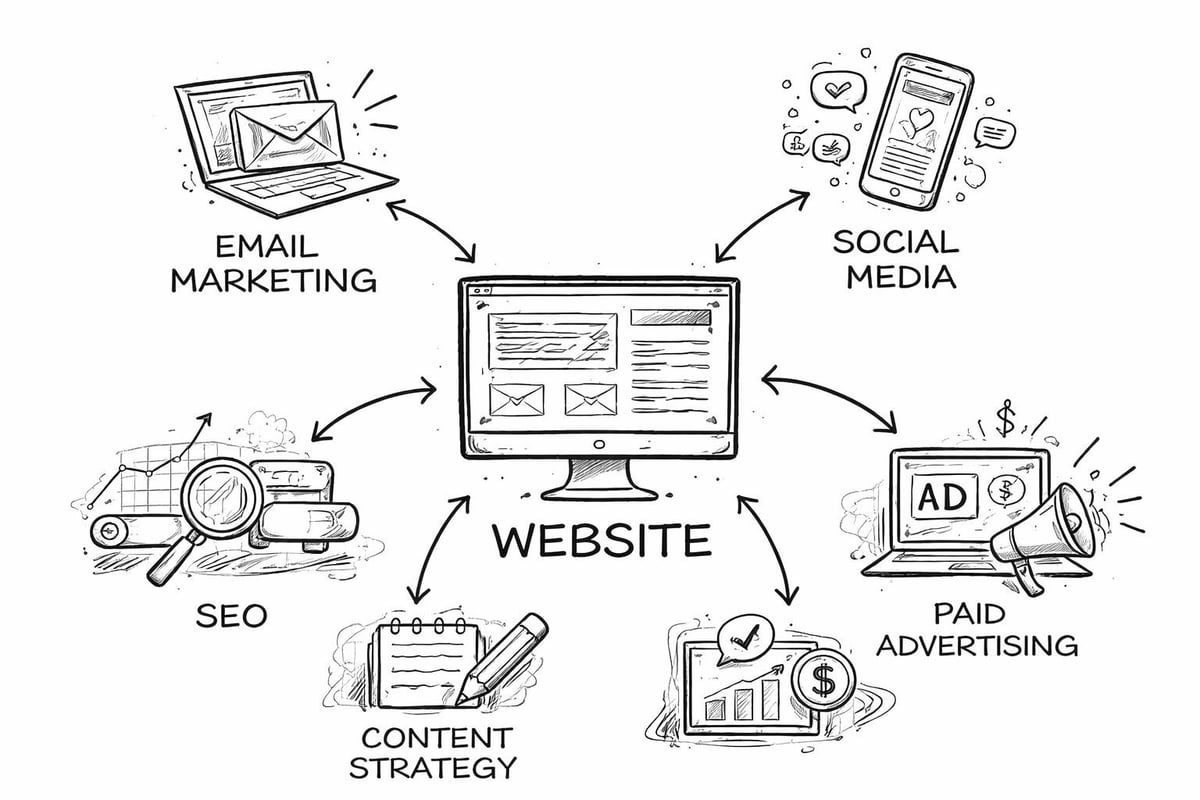
Websites rarely exist in isolation; they function as central hubs within comprehensive marketing ecosystems. The most effective agencies understand how web design integrates with email marketing, social media, content marketing, and paid advertising channels.
Cross-Channel Consistency
Brand consistency across touchpoints builds recognition and trust. Your website should reflect the same visual language, messaging tone, and value propositions that appear in email campaigns, social posts, and offline materials. Agencies excelling in this area develop comprehensive brand guidelines ensuring coherent experiences regardless of channel.
Integration considerations include:
- Email capture mechanisms and newsletter signup optimisation
- Social media feed integration and sharing functionality
- Content management systems supporting multi-channel distribution
- Analytics tracking across all digital properties
- Coordinated campaign landing pages aligned with advertising creative
The comprehensive approach to web design recognises these interconnections, building sites that amplify rather than exist separately from your broader marketing efforts.
Technical Performance and SEO Foundations
Search visibility determines whether your beautifully designed website reaches its intended audience. Top web design agencies London employs integrate SEO principles throughout the design and development process rather than treating optimisation as a post-launch afterthought.
Core Technical SEO Requirements
Modern SEO demands extend well beyond keyword placement. Google's algorithms increasingly prioritise user experience signals, technical performance, and mobile usability. Agencies must architect sites with clean code, logical structure, and fast loading times whilst implementing proper schema markup, XML sitemaps, and robots.txt files.
The UK web design trends emphasise minimalist design with bold typography, dark mode options, and micro-animations that enhance engagement without compromising performance. These aesthetic choices must balance visual appeal with technical efficiency.
Essential technical elements:
- Semantic HTML markup for proper content hierarchy
- Optimised images with appropriate formats and compression
- Efficient CSS and JavaScript minimising render-blocking resources
- SSL certificates and HTTPS implementation
- Mobile-responsive design verified across devices
- Structured data markup for rich search results
The Selection and Briefing Process
Choosing amongst the top web design agencies London provides requires a structured approach ensuring alignment between your needs and their capabilities. A thorough selection process minimises risk and establishes clear expectations from the outset.
Creating an Effective Brief
Your brief shapes the quality of proposals received. Vague descriptions of "needing a new website" yield generic responses, whilst comprehensive briefs demonstrating thought and preparation attract agencies' best thinking. Include business context, target audiences, key competitors, specific functionality requirements, and success metrics.
| Brief Component | Information to Include | Purpose |
|---|---|---|
| Business Overview | Company history, values, unique selling points | Contextualises the project within your broader mission |
| Target Audience | Demographics, psychographics, pain points, behaviours | Enables user-centred design decisions |
| Project Objectives | Specific goals (leads, sales, engagement, awareness) | Provides measurable success criteria |
| Technical Requirements | CMS preferences, integrations, hosting, security needs | Identifies technical constraints and capabilities |
| Timeline & Budget | Launch deadlines, budget ranges, procurement processes | Ensures realistic planning and resource allocation |
Evaluating Proposals and Chemistry
Proposals reveal how agencies interpret your requirements and approach problem-solving. Look for evidence they've genuinely understood your business rather than delivering templated responses. The strongest proposals demonstrate research into your sector, identify opportunities you hadn't considered, and articulate clear methodologies.
Chemistry matters more than many businesses initially recognise. You'll collaborate closely with your chosen agency for months, possibly years. Trust, communication style, and cultural alignment significantly impact project success. Initial meetings should feel like conversations with potential partners rather than sales pitches from vendors.
Ongoing Support and Post-Launch Considerations
Website launch represents a beginning rather than an endpoint. The most valuable agency relationships extend well beyond initial delivery, providing ongoing optimisation, updates, and strategic guidance as your business evolves.
Maintenance and Evolution
Websites require continuous attention to remain secure, functional, and effective. Security patches, content updates, performance monitoring, and user feedback analysis ensure your site maintains its competitive edge. Leading agencies offer support packages addressing these ongoing needs rather than disappearing after launch.
The digital marketing landscape increasingly emphasises AI-powered personalisation and motion graphics that enhance engagement, requiring agencies to provide strategic guidance on adopting emerging technologies appropriately.
Post-launch priorities include:
- Performance monitoring through analytics and heatmaps
- A/B testing to optimise conversion paths
- Content updates maintaining relevance and freshness
- Security patching and software updates
- Iterative improvements based on user behaviour data
London's Design Heritage and Innovation Culture
London's position as a global design capital influences the quality and innovation found amongst its web design agencies. The city's creative heritage, exemplified by events like the London Design Festival, fosters an environment where experimentation and excellence thrive.
Learning from Advertising Giants
Agencies such as Mother and GBH demonstrate how London-based creative firms combine strategic thinking with compelling execution. Whilst these agencies operate primarily in advertising, their approaches influence the web design sector's evolution towards more strategically grounded work.
Design studios like Dunne & Raby explore how design can stimulate discussion about emerging technologies' implications, an increasingly relevant consideration as AI, voice interfaces, and immersive technologies reshape web experiences.
Making Your Final Decision
After researching options, reviewing portfolios, and conducting consultations, the decision ultimately rests on which agency best aligns with your specific requirements, budget, and vision. Trust your instincts alongside rational evaluation criteria.
Consider creating a weighted scorecard assessing agencies across dimensions most important to your project. Technical capability, sector experience, strategic thinking, cultural fit, and value for investment might each receive different weightings based on your priorities.
Final assessment checklist:
- Have they demonstrated genuine understanding of your business and audience?
- Does their portfolio include projects of similar scope and complexity?
- Are their proposed timelines realistic given your requirements?
- Have you received positive feedback from their references?
- Do you feel confident in their ability to handle challenges that arise?
- Is their communication style compatible with your preferences?
- Does the investment align with the potential business value?
The top web design agencies London houses distinguish themselves through consistent delivery, strategic depth, and the ability to translate business objectives into compelling digital experiences that drive measurable results.
Selecting the right web design partner fundamentally shapes your digital success, requiring careful evaluation of capabilities, cultural fit, and strategic alignment. When you're ready to transform your online presence with a partner who combines creative excellence with strategic thinking, OxD PR brings comprehensive expertise in web design, SEO, and digital marketing to help your business stand out and grow in an increasingly competitive landscape.